

Mastering Peptide Reconstitution: Your Essential Calculator Guide
Unlock the Secrets of Peptide Reconstitution With Precision
Unlock the secrets of peptide reconstitution with our essential calculator guide. Simplify measurements and achieve precise results for your projects!
Understanding Peptides and Their Uses
What Are Peptides?
Peptides are short chains of amino acids linked by peptide bonds and are fundamental to numerous biological processes. These molecules are smaller than proteins and can be synthesized naturally or artificially in laboratories. Peptides play pivotal roles in various fields, including biochemistry, molecular biology, and medicine. They are often used in research to study protein functions, signal transduction pathways, and enzyme-substrate interactions.
Medical and Scientific Applications of Peptides
In the medical field, peptides have found applications in diagnostics, therapeutics, and vaccine development. For instance, peptide-based drugs are being developed to target specific diseases, including cancer, diabetes, and autoimmune disorders. Additionally, peptide vaccines are being researched for their potential to elicit immune responses without the need for live pathogens. These applications highlight the versatility and significance of peptides in advancing scientific knowledge and improving healthcare outcomes.
Why Peptide Knowledge Matters
Understanding peptides and their uses is crucial for researchers and practitioners who work with these molecules. Whether you are synthesizing peptides, studying their interactions, or developing peptide-based therapies, having a solid grasp of their structure and function is essential. This foundational knowledge will enable you to make informed decisions during peptide reconstitution and ensure the success of your experiments and applications. peptide
Importance of Accurate Peptide Reconstitution
Why Precision Matters in Peptide Reconstitution
Accurate peptide reconstitution is critical for obtaining reliable and reproducible results in both research and clinical applications. Reconstituting peptides involves dissolving lyophilized (freeze-dried) peptides in an appropriate solvent to achieve a specific concentration. The accuracy of this process directly impacts the efficacy and consistency of experimental outcomes.
The Risks of Incorrect Peptide Concentrations
Errors in peptide reconstitution can lead to significant variations in experimental data, making it difficult to draw valid conclusions. If the peptide concentration is higher or lower than intended, it can affect biological activity, binding affinity, or toxicity.
Clinical Importance of Accurate Reconstitution
In clinical settings, accurate peptide reconstitution is equally important for patient safety and therapeutic efficacy. Incorrect peptide concentrations can result in suboptimal dosing, reduced therapeutic effects, or adverse reactions.
Common Mistakes in Peptide Reconstitution
Incorrect Solvent Volume Calculations
One frequent error is the incorrect calculation of the solvent volume required to achieve the desired peptide concentration. This often happens because of incorrect unit conversions or misunderstanding peptide purity.
Choosing the Wrong Solvent
Different peptides have varying solubility profiles, and choosing the wrong solvent can lead to incomplete dissolution or peptide degradation. peptides
Poor Mixing Techniques
Inadequate mixing and dissolution techniques can prevent complete peptide reconstitution. Gentle swirling, vortexing, or sonication may be required depending on the peptide type.
Essential Tools for Peptide Reconstitution
High-Precision Analytical Balance
A high-precision analytical balance ensures accurate peptide measurements and minimizes concentration errors.
Micropipettes and Pipette Tips
Micropipettes allow researchers to measure and dispense solvents accurately for precise peptide dilution.
Mixing and Temperature-Control Equipment
Additional tools such as vortex mixers, sonicators, and temperature-controlled water baths improve dissolution and maintain peptide stability.
Step-by-Step Guide to Reconstituting Peptides
Step 1: Calculate the Required Solvent Volume
Determine the desired final concentration and calculate the solvent volume needed.
Step 2: Select the Appropriate Solvent
Choose a solvent compatible with the peptide’s solubility profile.
Step 3: Prepare the Solvent
Measure the correct solvent volume using a calibrated micropipette.
Step 4: Add the Solvent Carefully
Slowly add the solvent down the side of the vial to minimize foaming.
Step 5: Mix and Dissolve the Peptide
Use gentle swirling, vortexing, or sonication to ensure complete dissolution.
Step 6: Inspect the Final Solution
Check for particles, cloudiness, or incomplete dissolution.
Step 7: Store the Reconstituted Peptide Properly
Label and store the peptide solution at the recommended temperature.
Using Calculators for Peptide Reconstitution
How Peptide Reconstitution Calculators Work
Peptide calculators simplify complex calculations by determining the precise solvent volume needed for a target concentration.
Benefits of Using Peptide Calculators
These tools reduce human error, improve accuracy, and save valuable laboratory time.
Best Online Tools for Peptide Calculations
Many online peptide calculators offer advanced features such as unit conversion, purity adjustment, and buffer calculations.
Best Practices for Storing Reconstituted Peptides
Store Peptides at Low Temperatures
Most peptides remain stable at -20°C or -80°C.
Use Proper Storage Containers
Store peptides in sterile, airtight containers to avoid contamination and oxidation.
Avoid Repeated Freeze-Thaw Cycles
Aliquot peptide solutions into smaller portions to preserve stability and activity.
Troubleshooting Common Issues in Peptide Reconstitution
Incomplete Peptide Dissolution
Increase solvent volume or use a more compatible solvent to improve solubility.
Peptide Aggregation Problems
Use additives or optimize pH and temperature conditions to reduce aggregation.
Unexpected Peptide Precipitation
Adjust ionic strength, concentration, or storage conditions to maintain stability.
Conclusion and Further Resources
Mastering Peptide Reconstitution With Confidence
Mastering peptide reconstitution is a critical skill for researchers and practitioners working with peptides. Accurate calculations, proper solvent selection, and reliable storage practices all contribute to successful outcomes.
Improve Accuracy With the Right Tools
Using peptide reconstitution calculators, precision laboratory equipment, and proper techniques can dramatically improve accuracy and efficiency.
Continue Learning and Optimizing Your Process
To further improve your expertise, explore scientific resources, online calculators, supplier protocols, and peptide handling guides. With the right knowledge and tools, you can achieve precise, reliable, and reproducible peptide reconstitution results every time.
Questions About Peptide Reconstitution
1. What is peptide reconstitution?
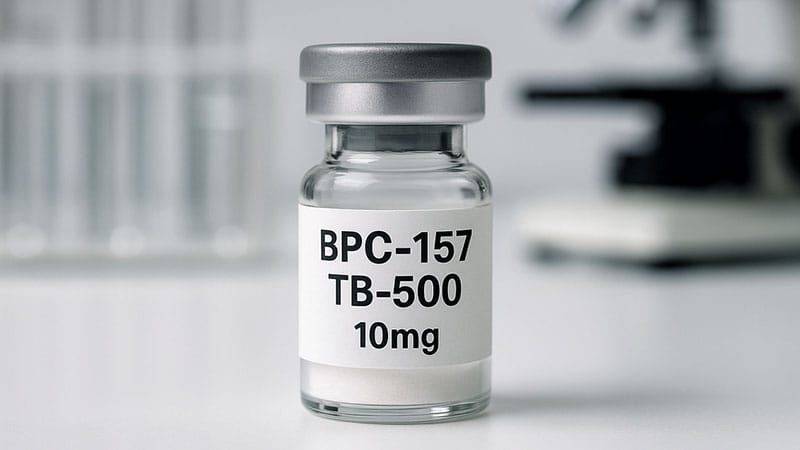
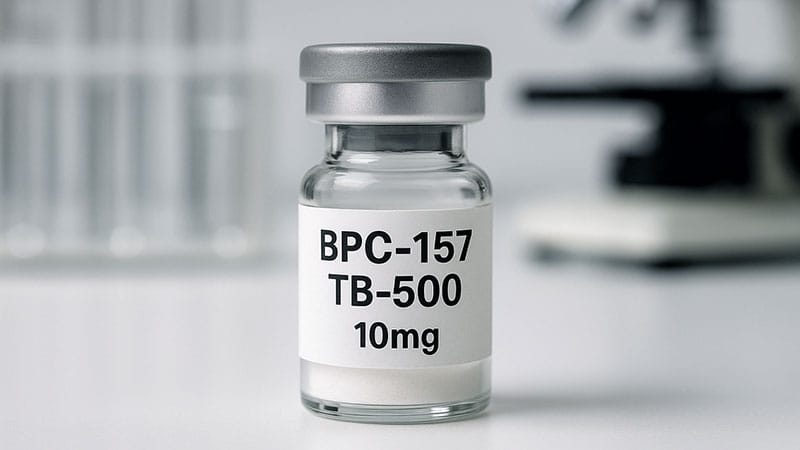
Peptide reconstitution is the process of mixing a freeze-dried peptide with a liquid solvent to create a usable solution for research or laboratory purposes.
2. Why is accurate peptide reconstitution important?
Accurate peptide reconstitution helps ensure correct concentrations, reliable research results, and safe usage in scientific applications.
3. What solvent is used for peptide reconstitution?
Common solvents include sterile water, bacteriostatic water, saline solution, and DMSO, depending on the peptide type and solubility.
4. How should reconstituted peptides be stored?
Reconstituted peptides should usually be stored in airtight containers at cold temperatures such as -20°C or -80°C to maintain stability and effectiveness.
5. What is a peptide reconstitution calculator?
A peptide reconstitution calculator is a tool that helps determine the correct amount of solvent needed to achieve the desired peptide concentration accurately.


