


Researched Benefits:
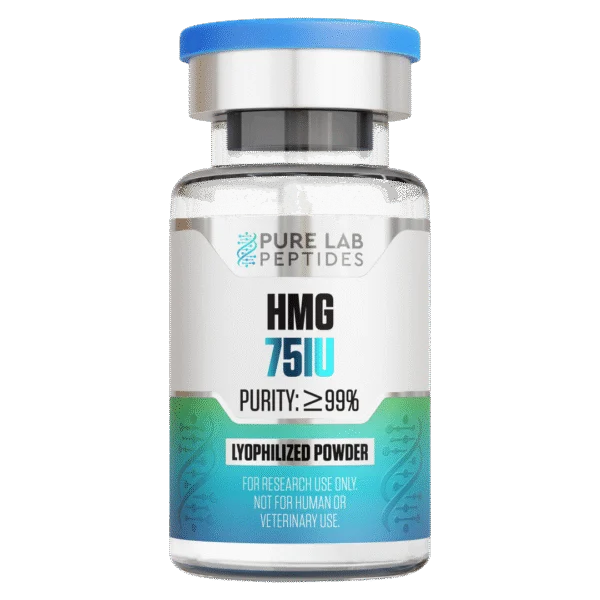
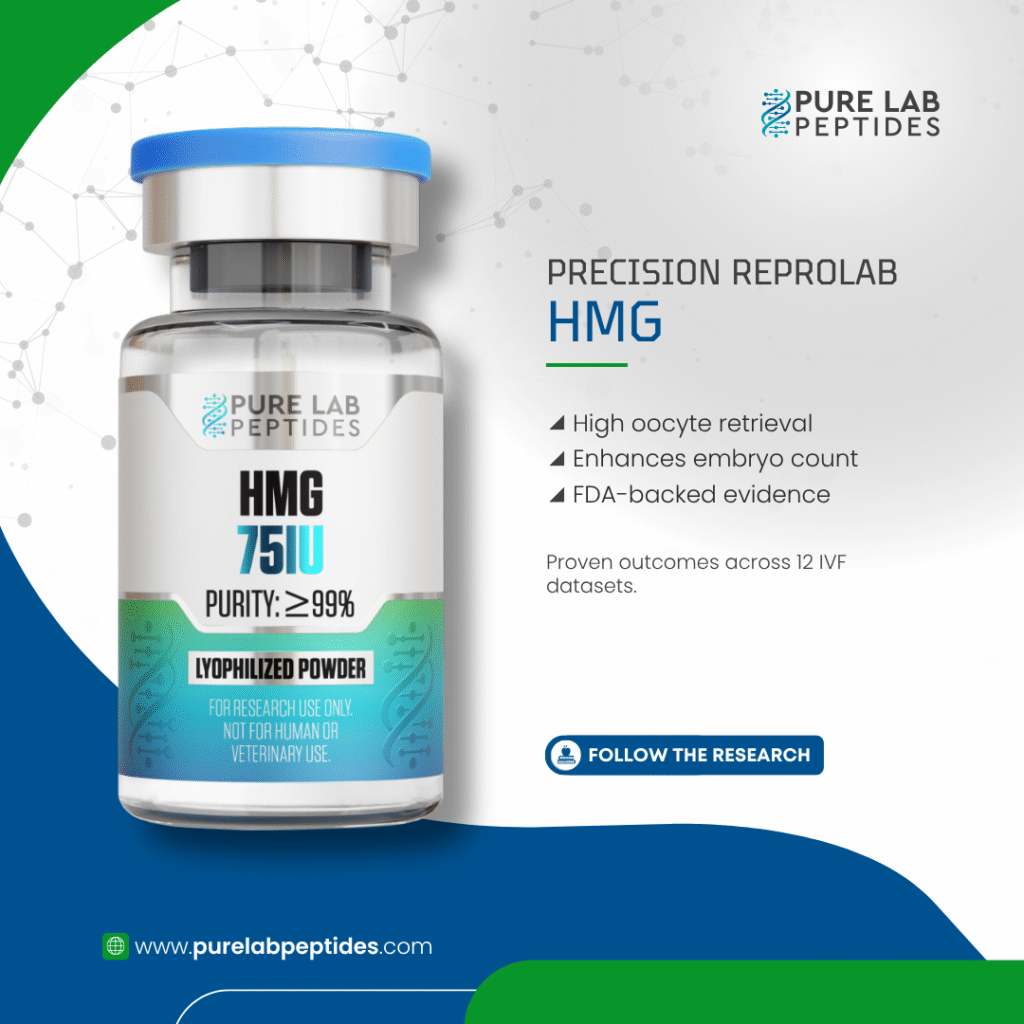
- Facilitates analysis of FSH-R and LH-R dual receptor activation and signaling
- Supports investigation into steroidogenesis and follicle-stimulating hormone-mediated granulosa cell proliferation
- Enables research on luteinizing hormone-induced theca cell androgen production in assays
- Useful for evaluating gonadotropin-dependent maturation pathways in gametogenic cellular models
Unlock the secrets of peptide reconstitution with our essential calculator guide. Simplify measurements and achieve precise results for your projects!
Unlock the secrets of peptide reconstitution with our essential calculator guide. Simplify measurements and achieve precise results for your projects!
Peptides are short chains of amino acids linked by peptide bonds and are fundamental to numerous biological processes. These molecules are smaller than proteins and can be synthesized naturally or artificially in laboratories. Peptides play pivotal roles in various fields, including biochemistry, molecular biology, and medicine. They are often used in research to study protein functions, signal transduction pathways, and enzyme-substrate interactions.
In the medical field, peptides have found applications in diagnostics, therapeutics, and vaccine development. For instance, peptide-based drugs are being developed to target specific diseases, including cancer, diabetes, and autoimmune disorders. Additionally, peptide vaccines are being researched for their potential to elicit immune responses without the need for live pathogens. These applications highlight the versatility and significance of peptides in advancing scientific knowledge and improving healthcare outcomes.
Understanding peptides and their uses is crucial for researchers and practitioners who work with these molecules. Whether you are synthesizing peptides, studying their interactions, or developing peptide-based therapies, having a solid grasp of their structure and function is essential. This foundational knowledge will enable you to make informed decisions during peptide reconstitution and ensure the success of your experiments and applications.
Accurate peptide reconstitution is critical for obtaining reliable and reproducible results in both research and clinical applications. Reconstituting peptides involves dissolving lyophilized (freeze-dried) peptides in an appropriate solvent to achieve a specific concentration. The accuracy of this process directly impacts the efficacy and consistency of experimental outcomes. Precise reconstitution ensures that the peptide concentration is as intended, which is vital for dose-dependent studies and therapeutic applications.
Errors in peptide reconstitution can lead to significant variations in experimental data, making it difficult to draw valid conclusions. For example, if the peptide concentration is higher or lower than intended, it can affect the biological activity, binding affinity, or toxicity of the peptide. Such discrepancies can compromise the integrity of the research and potentially lead to incorrect interpretations or conclusions. Therefore, meticulous attention to detail during reconstitution is essential to maintain the accuracy and reliability of scientific investigations.
In clinical settings, accurate peptide reconstitution is equally important for patient safety and therapeutic efficacy. Incorrect peptide concentrations can result in suboptimal dosing, reduced therapeutic effects, or adverse reactions. For instance, in peptide-based drug therapies, precise dosing is crucial to achieve the desired therapeutic outcomes while minimizing side effects. By ensuring accurate peptide reconstitution, healthcare professionals can provide effective treatments and improve patient care. Overall, the importance of accurate peptide reconstitution cannot be overstated, as it underpins the success of both research and clinical applications.
Despite its importance, peptide reconstitution is prone to several common mistakes that can compromise the accuracy and reliability of the process. One frequent error is the incorrect calculation of the solvent volume required to achieve the desired peptide concentration. This mistake can arise from misinterpreting the peptide’s molecular weight, failing to account for peptide purity, or using incorrect units of measurement. Such errors can lead to inaccurate concentrations, affecting experimental outcomes and therapeutic efficacy.
Another common mistake is the improper selection of solvents for peptide reconstitution. Different peptides have varying solubility profiles, and choosing an inappropriate solvent can result in incomplete dissolution or peptide degradation. For instance, peptides with hydrophobic residues may require organic solvents or a mixture of solvents to achieve complete solubility. Conversely, peptides with hydrophilic properties may dissolve readily in aqueous solutions. Failure to select the appropriate solvent can lead to aggregation, precipitation, or loss of peptide activity, thereby compromising the reconstitution process.
Inadequate mixing and dissolution techniques also pose challenges during peptide reconstitution. Simply adding the solvent to the peptide vial and shaking it vigorously may not be sufficient to achieve complete dissolution. In some cases, peptides may require gentle swirling, vortexing, or sonication to ensure thorough mixing. Additionally, reconstitution should be carried out at the recommended temperature to prevent peptide degradation or denaturation. Neglecting these techniques can result in incomplete reconstitution, leading to inaccurate concentrations and inconsistent experimental results.
To achieve accurate and reliable peptide reconstitution, it is essential to have the right tools and equipment on hand. One of the most critical tools is a high-precision analytical balance, which is used to weigh the lyophilized peptide accurately. The precision of the balance should be sufficient to measure small quantities of peptide with high accuracy, typically to the nearest microgram. This ensures that the correct amount of peptide is used for reconstitution, reducing the risk of concentration errors.
Another indispensable tool is a set of micropipettes and pipette tips, which are used to measure and dispense the solvent accurately. Micropipettes come in various volume ranges, allowing for precise measurement of small volumes of solvent. It is important to calibrate and maintain these pipettes regularly to ensure their accuracy and reliability. Using high-quality pipette tips that fit securely and provide a good seal is also crucial for preventing volume discrepancies and ensuring precise solvent delivery.
In addition to weighing and measuring tools, other essential equipment includes vortex mixers, sonicators, and temperature-controlled water baths. Vortex mixers are used to facilitate the mixing and dissolution of peptides in the solvent, ensuring homogeneity. Sonicators can be employed to break up aggregates and enhance solubility, especially for peptides that are difficult to dissolve. Temperature-controlled water baths are useful for maintaining the recommended temperature during reconstitution, preventing peptide degradation or denaturation. Having these tools readily available and using them correctly can significantly improve the accuracy and efficiency of peptide reconstitution.
Reconstituting peptides involves a series of carefully executed steps to ensure accurate and reliable results. The following step-by-step guide outlines the process for successful peptide reconstitution:
- Calculate the Required Solvent Volume:
Begin by determining the desired final concentration of the peptide solution. Using the molecular weight of the peptide and the amount of lyophilized peptide, calculate the volume of solvent needed. For example, if you have 1 mg of peptide and want a final concentration of 1 mg/mL, you will need 1 mL of solvent.
- Select the Appropriate Solvent:
Choose a solvent that is compatible with the peptide’s solubility profile. Common solvents include water, sterile saline, acetic acid, and dimethyl sulfoxide (DMSO). Ensure that the solvent is of high purity and free from contaminants that could affect peptide stability.
- Prepare the Solvent:
Measure the calculated volume of the solvent using a calibrated micropipette. It is important to use a clean and sterile environment to prevent contamination. If necessary, pre-warm the solvent to the recommended temperature to facilitate dissolution.
- Add the Solvent to the Peptide Vial:
Carefully add the solvent to the vial containing the lyophilized peptide. It is recommended to add the solvent slowly and down the side of the vial to minimize foaming and ensure even distribution.
- Mix and Dissolve the Peptide:
Gently swirl the vial to initiate mixing. Use a vortex mixer or sonicator if needed to achieve complete dissolution. Avoid vigorous shaking, as this can cause peptide denaturation or foaming.
- Inspect the Solution:
Visually inspect the solution to ensure that the peptide is fully dissolved and that there are no visible particles or aggregates. If the peptide is not fully dissolved, additional mixing or sonication may be required.
- Store the Reconstituted Peptide:
Transfer the reconstituted peptide solution to a sterile storage container. Label the container with the peptide concentration, solvent used, and date of reconstitution. Store the solution at the recommended temperature, typically -20°C or -80°C, to maintain stability.
Following these steps meticulously will help ensure accurate peptide reconstitution, supporting the success of your experiments and applications.
Calculators are invaluable tools for simplifying the complex calculations involved in peptide reconstitution. These calculators are designed to help researchers accurately determine the volume of solvent needed to achieve a specific peptide concentration. By inputting key parameters such as the amount of lyophilized peptide, molecular weight, and desired final concentration, the calculator provides precise measurements, reducing the risk of human error.
One of the primary advantages of using calculators for peptide reconstitution is their ability to handle various units of measurement. Researchers can input values in different units, such as milligrams, micrograms, milliliters, or microliters, and the calculator will automatically convert them as needed. This flexibility ensures that the calculations are accurate and consistent, regardless of the units used. Additionally, calculators can account for peptide purity, allowing for adjustments to the calculations based on the percentage of pure peptide in the sample.
Several online calculators and software tools are available for peptide reconstitution, each offering unique features and functionalities. Some calculators provide additional options for calculating peptide solutions with specific buffer conditions, pH adjustments, or co-solvents. Others offer step-by-step instructions and visual aids to guide users through the reconstitution process. By leveraging these calculators, researchers can streamline their workflow, save time, and achieve precise results with confidence.
Using calculators for peptide reconstitution is a best practice that enhances accuracy and efficiency in the laboratory. These tools minimize the potential for errors and ensure that the final peptide solution meets the desired specifications. Whether you are a seasoned researcher or new to peptide reconstitution, incorporating calculators into your workflow can significantly improve the reliability of your results and support the success of your projects.
Proper storage of reconstituted peptides is essential for maintaining their stability and activity over time. Once peptides are dissolved in a solvent, they can be susceptible to degradation, oxidation, or microbial contamination if not stored correctly. Implementing best practices for storing reconstituted peptides can help preserve their integrity and ensure their long-term usability.
One of the key considerations for storing reconstituted peptides is temperature. Most peptides are stable when stored at low temperatures, typically -20°C or -80°C. Storing peptides at these temperatures slows down degradation processes and extends their shelf life. It is important to use temperature-controlled freezers and avoid frequent temperature fluctuations, as repeated freeze-thaw cycles can lead to peptide denaturation and loss of activity. If possible, aliquot the reconstituted peptide solution into smaller volumes to minimize the number of freeze-thaw cycles.
Another important aspect of peptide storage is the use of appropriate containers. Peptides should be stored in sterile, airtight containers to prevent contamination and oxidation. Glass vials with screw caps or crimp seals are commonly used for this purpose. Some peptides may be sensitive to light, so storing them in amber-colored vials or wrapping the containers in aluminum foil can provide additional protection. Labeling the containers with relevant information, such as peptide concentration, solvent used, and date of reconstitution, is also essential for tracking and inventory management.
In addition to temperature and container considerations, it is crucial to monitor the stability of reconstituted peptides over time. Regularly inspect the stored peptide solutions for any signs of precipitation, discoloration, or changes in pH. Performing periodic activity assays or analytical tests can help ensure that the peptides remain functional and effective for their intended applications. By following these best practices for storing reconstituted peptides, researchers can maintain the quality and reliability of their peptide solutions and achieve consistent results in their experiments.
Despite careful planning and execution, peptide reconstitution can sometimes encounter challenges that require troubleshooting. Common issues such as incomplete dissolution, peptide aggregation, or unexpected precipitation can arise during the process. Identifying and addressing these issues promptly is crucial for achieving accurate and reliable results.
One common issue is incomplete dissolution of the peptide in the chosen solvent. This can occur if the peptide has low solubility in the solvent or if the solvent volume is insufficient. To troubleshoot this issue, consider increasing the solvent volume or using a different solvent that is more compatible with the peptide’s solubility profile. Additionally, using gentle agitation methods such as vortexing, sonication, or warming the solvent can help enhance dissolution. If the peptide remains insoluble, it may be necessary to explore alternative solvents or co-solvents that can improve solubility.
Peptide aggregation is another challenge that can affect reconstitution. Aggregation can occur due to hydrophobic interactions, electrostatic forces, or improper storage conditions. To address this issue, consider using additives such as surfactants, chaotropic agents, or reducing agents that can disrupt aggregates and enhance solubility. Ensuring that the reconstitution process is carried out at the recommended temperature and pH can also help prevent aggregation. If aggregation persists, it may be helpful to consult the peptide supplier for specific recommendations or protocols.
Unexpected precipitation of peptides after reconstitution can be a sign of instability or incompatibility with the solvent. This can result from changes in temperature, pH, or ionic strength of the solution. To troubleshoot precipitation, verify that the solvent and reconstitution conditions are appropriate for the peptide. Adjusting the pH or ionic strength of the solution may help maintain peptide solubility. If precipitation continues to occur, consider storing the peptide solution at lower concentrations or using stabilizing agents that can enhance solubility and prevent precipitation.
By proactively troubleshooting common issues in peptide reconstitution, researchers can overcome challenges and achieve accurate and reliable results. Understanding the potential causes of these issues and implementing appropriate solutions can ensure the success of peptide-based experiments and applications.
Mastering peptide reconstitution is a critical skill for researchers and practitioners working with these versatile molecules. Accurate reconstitution is essential for obtaining reliable and reproducible results in both research and clinical applications. By understanding the importance of peptide reconstitution, avoiding common mistakes, and using essential tools and calculators, researchers can achieve precise measurements and simplify the reconstitution process.
Implementing best practices for storing reconstituted peptides and troubleshooting common issues further enhances the reliability and success of peptide-based experiments. Proper storage conditions, appropriate containers, and regular stability monitoring are key to maintaining peptide integrity and activity. Addressing challenges such as incomplete dissolution, aggregation, and precipitation ensures that peptide solutions meet the desired specifications and remain functional for their intended applications.
For those seeking to deepen their knowledge and expertise in peptide reconstitution, a wealth of resources is available. Online calculators and software tools, scientific literature, and supplier guidelines provide valuable information and support. Additionally, consulting with experts in the field and participating in workshops or training programs can further enhance proficiency in peptide reconstitution.
In conclusion, mastering peptide reconstitution is a fundamental aspect of working with peptides that significantly impacts the accuracy and success of experiments. By following the guidelines and best practices outlined in this guide, researchers can achieve precise and reliable reconstitution, paving the way for successful peptide-based research and applications.




Reviews
There are no reviews yet.