

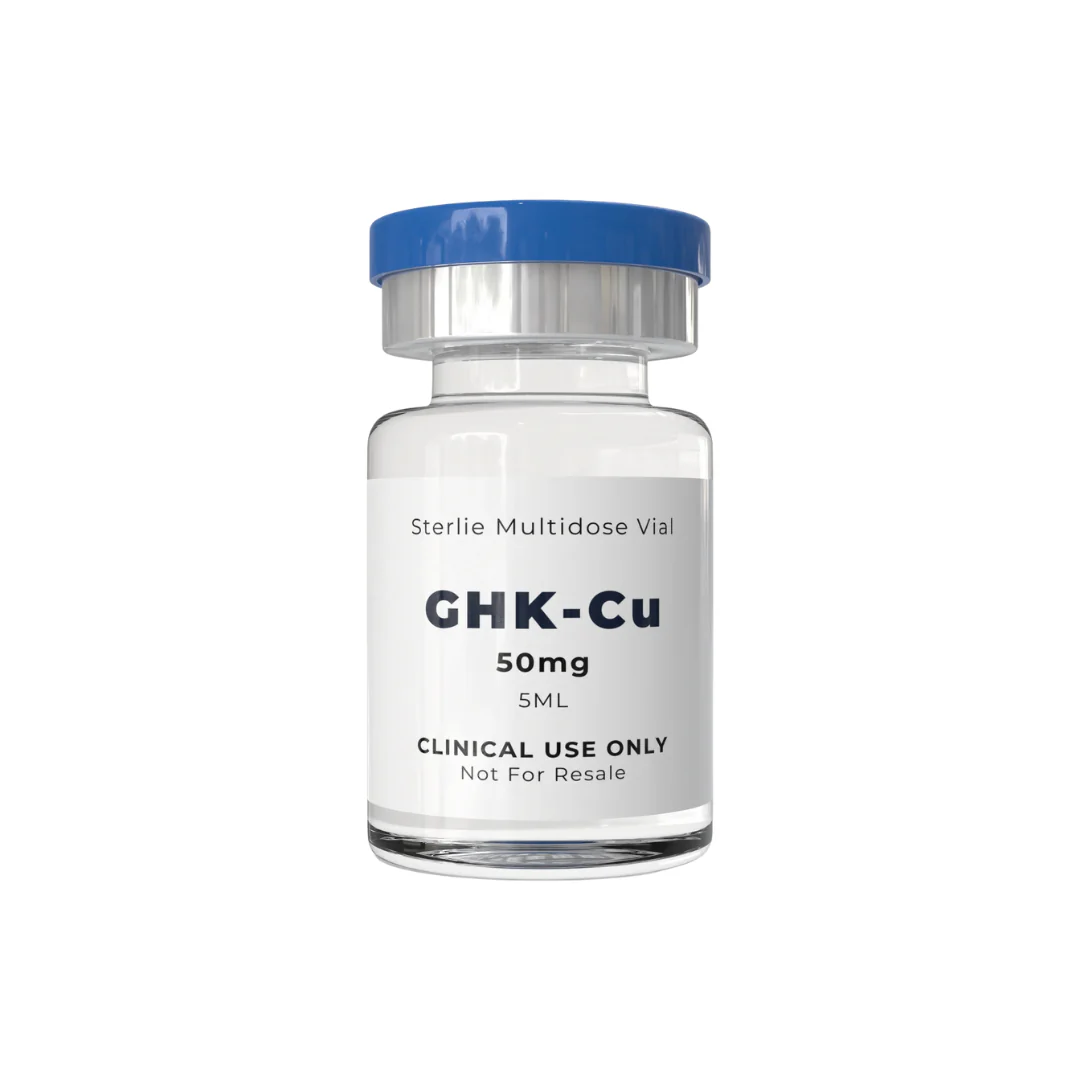
GHK-Cu has become one of the most discussed peptide compounds in the health, wellness, and anti-aging industry. Known as a naturally occurring copper peptide, GHK-Cu is made up of glycyl-L-histidyl-L-lysine combined with copper ions. Researchers have explored its role in tissue repair, skin rejuvenation, wound healing, and hair restoration for decades. As more people search for advanced anti-aging solutions and regenerative therapies, interest in GHK-Cu continues to grow worldwide.
Originally discovered in human plasma, GHK-Cu levels naturally decline with age. Scientists believe this decline may contribute to slower healing, visible aging, and reduced collagen production. Because of this, many skincare companies and peptide researchers now study GHK-Cu for its regenerative properties and potential cosmetic applications.
One reason GHK-Cu has gained massive attention is its ability to support collagen synthesis and skin remodeling. Collagen is essential for maintaining youthful skin, elasticity, and firmness. As aging progresses, collagen production decreases, leading to wrinkles, sagging skin, and slower recovery from environmental damage. Copper peptide skin repair products containing GHK-Cu are designed to help support these natural repair processes.
Researchers have also investigated GHK-Cu for hair growth, particularly for individuals experiencing thinning hair or weakened follicles. Many users report improvements in scalp health, hair density, and overall hair appearance after consistent use of topical GHK-Cu formulations.
Unlike harsh cosmetic treatments, GHK-Cu is often promoted as a gentler peptide-based approach to supporting skin and hair wellness. Today, GHK-Cu can be found in serums, creams, injectable research products, and hair restoration solutions marketed online.
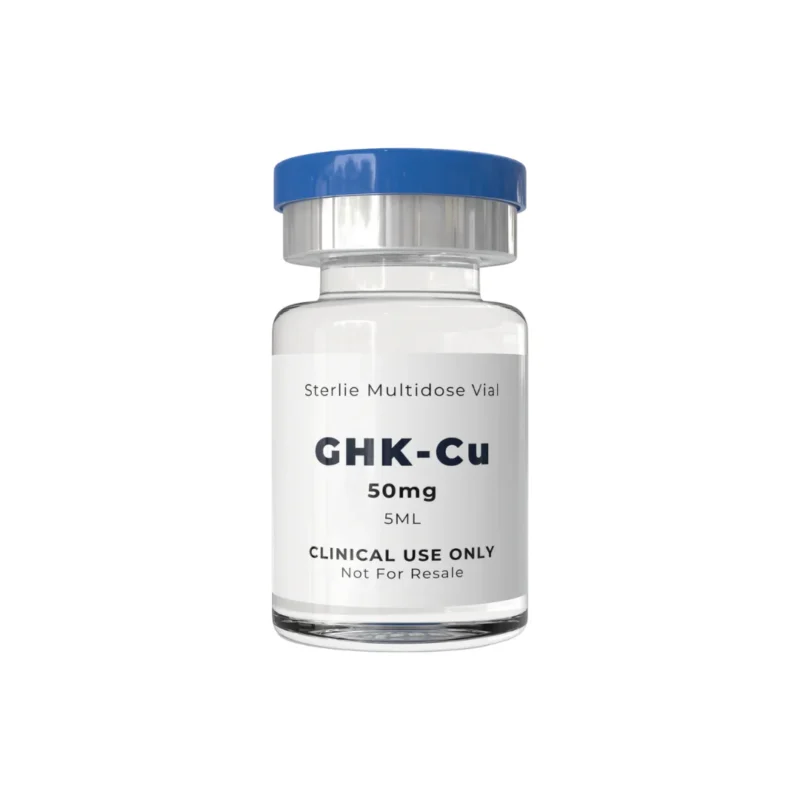
Key Benefits of GHK-Cu
The popularity of GHK-Cu largely comes from its wide range of potential wellness and cosmetic benefits. Many users turn to this copper peptide because it supports multiple biological processes connected to healing and regeneration.
Supports Skin Rejuvenation
One of the most recognized benefits of GHK-Cu is its role in skin renewal. Researchers believe the peptide may stimulate collagen and elastin production while supporting tissue repair. This is why many anti-aging products include copper peptide skin repair ingredients to reduce the appearance of fine lines and wrinkles.
Many users report smoother skin texture, improved hydration, and a healthier complexion after using GHK-Cu skincare products regularly.
May Promote Hair Growth
Interest in GHK-Cu for hair growth has increased significantly in recent years. Some studies suggest copper peptides may improve blood circulation around hair follicles while supporting healthier scalp conditions.
Users experiencing thinning hair often apply topical GHK-Cu serums to areas with reduced density. While results vary, many individuals report thicker-looking hair and reduced shedding over time.
Supports Wound Healing
GHK-Cu has been studied for its potential role in tissue regeneration and recovery. Researchers believe it may help activate healing-related genes while reducing inflammation in damaged tissues.
This is one reason some cosmetic clinics and skincare specialists explore GHK-Cu for post-procedure recovery and skin repair support.
May Reduce Inflammation
Some studies indicate that GHK-Cu may possess anti-inflammatory properties. Chronic inflammation contributes to visible aging and tissue damage, so reducing inflammation may support healthier skin and improved recovery processes.
Antioxidant Support
Copper peptides may also help protect skin cells against oxidative stress caused by pollution, UV rays, and environmental toxins. This antioxidant activity may help maintain healthier and more youthful-looking skin.
BPC-157 vs GHK-Cu
Many peptide enthusiasts compare BPC-157 with GHK-Cu because both compounds are associated with recovery and healing. However, they work differently and are often used for separate goals.
BPC-157 is commonly researched for muscle recovery, tendon healing, and gut health support. Athletes and fitness enthusiasts often discuss BPC-157 in relation to injury recovery and inflammation reduction.
GHK-Cu, on the other hand, is more widely connected to skin rejuvenation, collagen production, hair restoration, and cosmetic wellness. While both peptides may support tissue repair, GHK-Cu is especially popular in skincare and anti-aging products.
Another difference involves usage methods. BPC-157 is frequently discussed in injectable or capsule research forms, while GHK-Cu is commonly found in topical creams, serums, foams, and cosmetic formulations.
Some users combine both peptides as part of broader recovery or wellness protocols, although scientific research on combined usage remains limited.
Real User Experiences of GHK-Cu
Many individuals who use GHK-Cu products report positive cosmetic and wellness-related experiences. Although individual outcomes vary, user reviews often focus on visible improvements in skin appearance and scalp health.
Some skincare users report noticing smoother skin texture after several weeks of applying copper peptide serums. Fine lines may appear softer, while skin hydration and elasticity may improve gradually over time.
Hair restoration users often discuss improvements in scalp condition and reduced hair shedding. Individuals using GHK-Cu for hair growth sometimes describe fuller-looking hair and improved hair strength after consistent application.
Online discussions about GHK-Cu before and after experiences frequently highlight changes in skin brightness, firmness, and healing speed. Some individuals also report faster recovery following cosmetic procedures such as microneedling or laser treatments.
People interested in anti-aging solutions are especially drawn to GHK-Cu because it is considered less invasive than surgical cosmetic procedures.
Still, users should understand that results vary depending on product quality, consistency of use, age, skin condition, and overall health factors.
Buy GHK-Cu Online: What to Know
As GHK-Cu becomes more popular, many people now search online to purchase peptide-based skincare and wellness products. However, buyers should be cautious because product quality can vary significantly between suppliers.
When searching to buy GHK-Cu online, it is important to choose reputable vendors that provide third-party testing, ingredient transparency, and quality assurance information.
Some products marketed as copper peptides may contain low concentrations or additional fillers that reduce effectiveness. Consumers should carefully review ingredient labels and research company reputations before purchasing.
Common GHK-Cu products available online include:
- Copper peptide facial serums
- Hair growth sprays and foams
- Anti-aging creams
- Research peptide solutions
- Cosmetic recovery products
Consumers should also be cautious about unrealistic marketing claims promising instant transformations. Most peptide-based skincare products require consistent use over several weeks or months before noticeable improvements occur.
How GHK-Cu Works Before and After Use
Before using GHK-Cu, many individuals experience common concerns associated with aging or hair thinning. Skin may appear dull, dry, or less elastic due to declining collagen levels. Hair may become thinner or weaker because of scalp inflammation and follicle stress.
After consistent use, many users report gradual improvements in skin texture, hydration, and firmness. The peptide may support the body’s natural repair processes by signaling cells involved in regeneration and collagen production.
In hair care routines, topical copper peptide products may help improve scalp conditions while supporting healthier follicles. Over time, some individuals observe thicker-looking hair and reduced breakage.
Photographs showing GHK-Cu before and after transformations often display healthier-looking skin and improved scalp appearance. However, results depend heavily on consistency, product quality, lifestyle habits, and genetics. peptides
How GHK-Cu Works in the Body
GHK-Cu functions as a signaling peptide inside the body. Scientists believe it helps regulate genes connected to tissue repair, inflammation control, and collagen production.
When applied topically or used in research settings, GHK-Cu may bind with copper ions and deliver them to damaged tissues. Copper itself plays an important role in several biological functions, including enzyme activity and wound healing. When applied topically or used in research settings, GHK-Cu may bind with copper ions and deliver them to damaged tissues. Copper itself plays an important role in several biological functions, including enzyme activity and wound healing. GHK-Cu
Researchers believe GHK-Cu may help:
- Stimulate collagen synthesis
- Support elastin production
- Improve tissue remodeling
- Enhance blood vessel growth
- Reduce oxidative damage
- Promote skin regeneration
Because GHK-Cu influences multiple repair-related pathways, it continues to attract interest from anti-aging researchers and cosmetic scientists.
Some laboratory studies suggest GHK-Cu may even influence gene expression associated with healthier tissue function. However, more human research is still needed to fully understand its long-term effects.
Safety and Side Effects of GHK-Cu
GHK-Cu is generally considered well tolerated in topical skincare products, but users should still exercise caution.
Some individuals may experience mild irritation, redness, itching, or dryness when first using copper peptide products. These reactions are often temporary and may decrease as the skin adjusts.
People with highly sensitive skin should perform patch testing before applying GHK-Cu products widely across the face or scalp.
When using research-grade peptides or injectable products, safety becomes even more important. Products purchased from unreliable sources may contain impurities or incorrect dosages.
Potential side effects sometimes discussed include:
- Mild skin irritation
- Temporary redness
- Dryness or peeling
- Allergic reactions in sensitive individuals
Users should follow manufacturer instructions carefully and avoid excessive application.
Pregnant or breastfeeding individuals should consult healthcare professionals before using peptide-based products.
Recommended Dosage and Usage Guidelines
GHK-Cu dosage varies depending on the type of product being used. Topical skincare formulations often contain low concentrations designed for daily application.
Most facial serums are applied once or twice daily after cleansing. Users typically place a few drops on the skin before moisturizing.
For scalp applications related to GHK-Cu for hair growth, many users apply peptide solutions directly to thinning areas consistently over several months.
Injectable or research-grade peptides should only be used under professional supervision due to dosing complexities and safety concerns.
General usage recommendations include:
- Apply consistently for long-term results
- Follow manufacturer instructions carefully
- Avoid mixing with irritating skincare ingredients initially
- Store peptide products properly to maintain stability
Because peptide products work gradually, patience and consistency are important for achieving noticeable improvements.
Comparing GHK-Cu with Other Supplements
GHK-Cu differs from many traditional supplements because it functions as a peptide signaling molecule rather than a vitamin or herbal extract.
Compared to collagen supplements, GHK-Cu may work more indirectly by encouraging the body’s own collagen production processes instead of simply providing collagen proteins.
Compared to retinol products, copper peptide skin repair formulas are often considered gentler for sensitive skin. Retinoids can cause peeling and irritation, while copper peptides are frequently promoted as soothing alternatives.
When compared with hyaluronic acid products, GHK-Cu focuses more on tissue regeneration and collagen support rather than hydration alone.
Peptide enthusiasts sometimes combine GHK-Cu with:
- Hyaluronic acid serums
- Vitamin C skincare products
- Collagen supplements
- Anti-aging creams
- Hair growth therapies
However, combining too many active ingredients at once may increase irritation risk for sensitive individuals.
Expert Opinions on GHK-Cu
Many dermatologists and skincare researchers view GHK-Cu as one of the more promising cosmetic peptides currently available. Experts often highlight its potential role in skin regeneration, wound healing, and collagen support.
Some cosmetic scientists believe copper peptides represent an important advancement in non-invasive anti-aging skincare because they target biological repair mechanisms instead of simply masking visible symptoms.
Hair restoration specialists have also shown interest in GHK-Cu for hair growth, particularly because of its potential effects on scalp health and follicle function.
However, experts also emphasize the importance of realistic expectations. While GHK-Cu may support healthier skin and hair, it is not considered a miracle cure for aging or severe hair loss.
Researchers continue studying its long-term effects, ideal formulations, and potential future applications in regenerative medicine.
Conclusion: Is Semaglutide Right for You?
Although this article primarily focused on GHK-Cu, many people exploring wellness peptides also research Semaglutide for weight management and metabolic support. Whether Semaglutide is right for you depends on your personal health goals, medical history, and professional guidance.
For individuals interested in skin rejuvenation, anti-aging support, and hair wellness, GHK-Cu remains one of the most talked-about peptide compounds available today. From copper peptide skin repair products to advanced scalp treatments, the peptide continues gaining attention for its potential regenerative properties.
People searching for non-invasive cosmetic wellness solutions often explore GHK-Cu because of its growing reputation in skincare and hair restoration communities. While scientific research is still evolving, many users remain interested in its ability to support healthier-looking skin and hair naturally.
Before beginning any peptide regimen, it is always best to research products carefully, purchase from reputable suppliers, and consult qualified healthcare professionals when necessary.
<h2>Frequently Asked Questions About GHK-Cu</h2>

<h3>1. What is GHK-Cu used for?</h3>
<p>
GHK-Cu is commonly used for skin rejuvenation, wound healing, and hair restoration support. Many people use copper peptide products to improve skin texture, reduce visible signs of aging, and support healthier hair growth.
</p>

<h3>2. Can GHK-Cu help with hair growth?</h3>
<p>
Yes, many users apply GHK-Cu for hair growth because copper peptides may help improve scalp health and support stronger hair follicles. Consistent use may help reduce hair thinning and improve overall hair appearance.
</p>

<h3>3. How does copper peptide skin repair work?</h3>
<p>
Copper peptide skin repair products work by supporting collagen production and helping the skin regenerate naturally. GHK-Cu may also help reduce inflammation and oxidative stress that contribute to visible aging.
</p>

<h3>4. Are there side effects of using GHK-Cu?</h3>
<p>
Most users tolerate GHK-Cu well, especially in topical skincare products. However, some individuals may experience mild irritation, redness, dryness, or itching when first using copper peptide formulations.
</p>

<h3>5. Where can I buy GHK-Cu online?</h3>
<p>
You can buy GHK-Cu online from peptide research companies, skincare brands, and wellness retailers. It is important to choose reputable suppliers that provide quality testing and transparent ingredient information.
</p>


